

By Darren Turley
TAD executive director
As we celebrate the annual National Dairy Month, the state’s dairy farmers are also on guard as Texas dairy cattle are in danger of not just one but two serious herd health threats – a possible return of highly pathogenic avian influenza (HPAI) and the reemergence of the New World Screwworm (NWS), which has now crossed the southern border into the state.
First, HPAI has been identified in a Panhandle herd following movement of dairy cows to a farm from Idaho. So far, this has not spread to any other farms, and we urge dairy farmers to take precautions to keep it that way. We hope not to see the widespread HPAI in Texas experienced in spring 2024. If you need a reminder about HPAI, visit the Texas Animal Health Commission website.
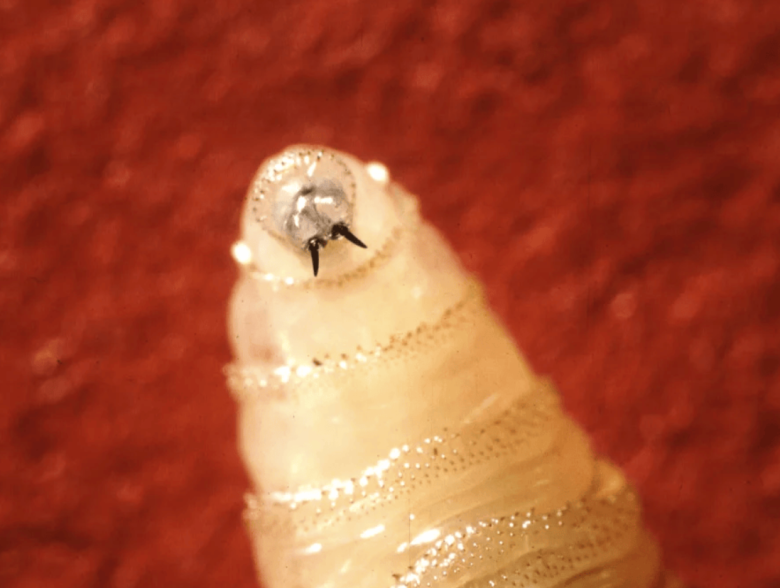
In early June, NWS was detected in a newborn beef calf’s navel in Zavala County in far South Texas. TAD – along with many other state and federal livestock organizations – has long been tracking the northward migration of NWS toward the United States and preparing for what we figured was its eventual arrival. NWS had been eradicated from the United States in the mid 1960s.
NWS now has been identified in a variety of different animals in multiple Texas counties as far north as Gillespie County. As of this writing, NWS cases have topped a dozen with new cases being detected almost daily. You can see NWS cases and their locations in the state on this U.S. Department of Agriculture interactive tracking map.
While so far no infected dairy cows have been identified, this pest has the ability to move quickly across the state. Dairy producers should activate their biosecurity plans. Animals arriving on the farm should be quarantined and thoroughly examined before they are integrated into the herd. Producers should take extra efforts to control flies – which lay the larvae that hatch into the screwworm – on their operation this year and monitor all animals for wounds, where the flies lay their eggs.
Producers looking for more information or the latest status on the NWS should review the list of resources listed below in this newsletter or on this page on our website.
The Texas Association of Dairymen (TAD) has been encouraging producers to write a Secure Milk Supply (SMS) Plan for their operations in case of a disease outbreak. Today is time to pull those plans out and initiate the biosecurity measures for your farm. However, more than 90% of dairies in the region lack an SMS plan. TAD is working with Texas A&M AgriLife Research, with funding from the USDA’s 2024 National Animal Disease Preparedness & Response Program, on a project to create comprehensive biosecurity plans for dairies, processors, calf ranches and others. You can learn more about it here.
If you would like to participate in this initiative and get help to produce a SMS plan, please contact TAD.