

By Darren Turley
TAD executive director
You’ve probably heard plenty about GLP-1 drugs such as Ozempic, Wegovy and Mounjaro. These medications, first used to treat diabetes, have become increasingly popular for weight loss.
What does any of that have to do with dairy? Potentially, quite a bit.
People taking GLP-1 medications generally eat less. But when you’re eating less, what you do eat becomes more important. Doctors and dietitians are encouraging GLP-1 users to make sure they’re getting enough protein, in part to help maintain muscle while losing weight.
That puts dairy in a pretty good position.
Making every bite count
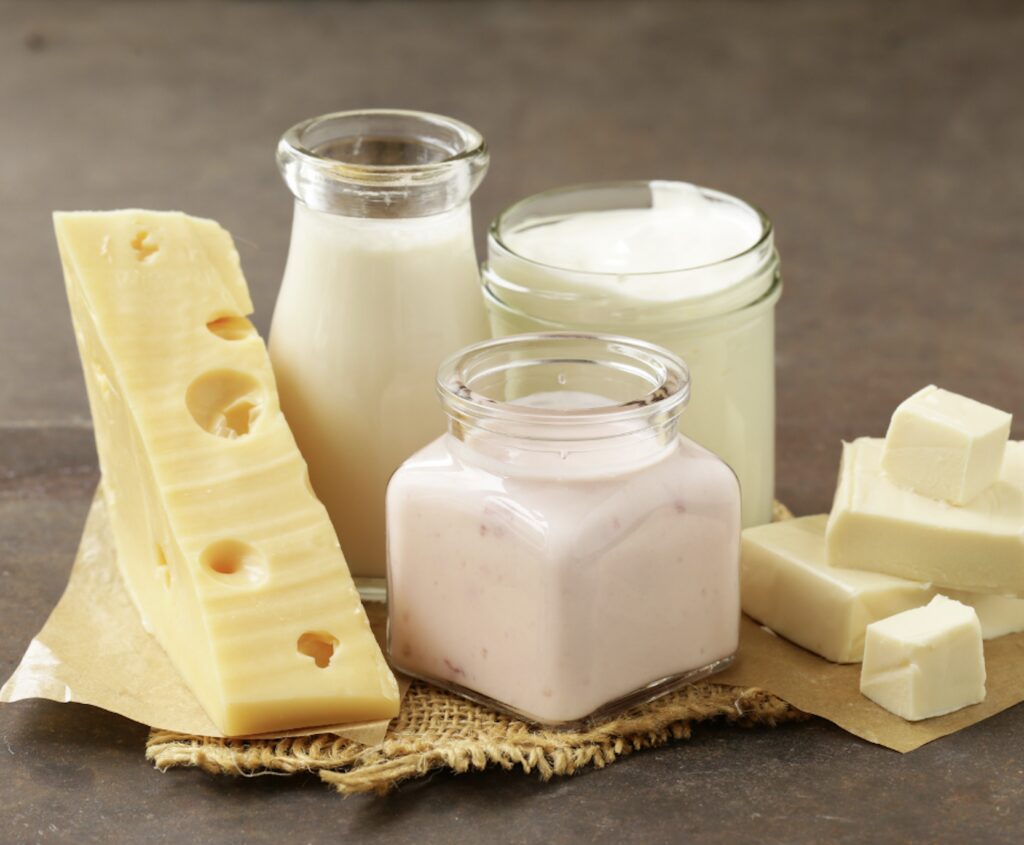
Think about some of the dairy products getting a lot of attention right now: Greek yogurt, cottage cheese, high-protein milk and ready-to-drink protein shakes. They offer a lot of protein and nutrition without requiring someone to eat a large meal.
In other words, they fit pretty well with the way many GLP-1 users are being encouraged to eat.
There’s also been renewed consumer interest in whole milk and full-fat dairy. When people are eating fewer calories overall, some are less focused on finding the lowest-fat product on the shelf and more interested in nutrition, protein and taste.
None of this means GLP-1 drugs are suddenly driving the dairy case. But they are adding momentum to a trend we’ve already been watching – consumers want more protein. And dairy delivers not only protein, but 13 essential nutrients, including the micronutrients that are harder to obtain when calorie intake drops. Many of these nutrients play essential roles in bone health and density, energy metabolism and more.
And then there’s whey
The bigger opportunity for dairy may be what happens beyond the grocery store dairy case.
Demand for whey protein continues to grow as manufacturers use it in everything from protein drinks and bars to sports and specialized nutrition products. Processors are responding by investing significant dollars in facilities that can produce higher-value whey protein concentrates and isolates.
That’s important for dairy farmers because it changes the conversation about the value of the milk we produce. It isn’t simply about selling more gallons of milk or pounds of cheese. Increasingly, there’s value in the individual components of that milk and what processors can make from them.
We can have a lot of milk in this country and still see tight supplies of certain dairy protein ingredients because more milk components are being pulled into these higher-value products.
What does this mean at the farm level?
I don’t expect anyone to go back to the dairy and change their herd based on how many people are taking GLP-1s. But it is worth paying attention to where the market is headed.
Processors are investing in Greek yogurt, cottage cheese, high-protein milk, protein drinks and whey products. Retailers are giving more attention to protein-packed foods. And consumers seem increasingly willing to pay for products that deliver more nutrition in a convenient package.
All of that points toward a dairy market where milk components – particularly protein – could become even more important.
There are still plenty of unknowns
GLP-1 drugs are relatively new as a widespread weight-loss tool, and we don’t know what their long-term impact on food consumption will be. Cost, insurance coverage, side effects and new medications coming to market could all change the picture.
And there is another side to this. If millions of people are simply eating less, some food categories are going to feel that. Dairy won’t necessarily be immune, particularly products that don’t fit into the high-protein, nutrient-dense category.
Still, the larger protein trend isn’t going away anytime soon, and dairy has an awfully good product to bring to that market.
A Texas opportunity
For Texas dairy producers, that may be the most interesting part of this story.
Texas continues to grow as a milk-producing state, and we’ve seen major investments in dairy processing to handle that growth. At the same time, the industry is looking for more ways to capture additional value from milk through protein and other components.
GLP-1 drugs didn’t create the demand for protein, and they certainly aren’t the only thing driving it. But they may be accelerating a change that was already underway.
At the end of the day, consumers are looking for foods that give them more nutrition and more protein for the calories they consume.
Dairy farmers happen to produce one that does exactly that.